
Body-Worn Camera Policy Updates Due by July 1, 2026 (SB 691): What the New Medical-Privacy Limits May Mean in Jail and ER Restraint Cases
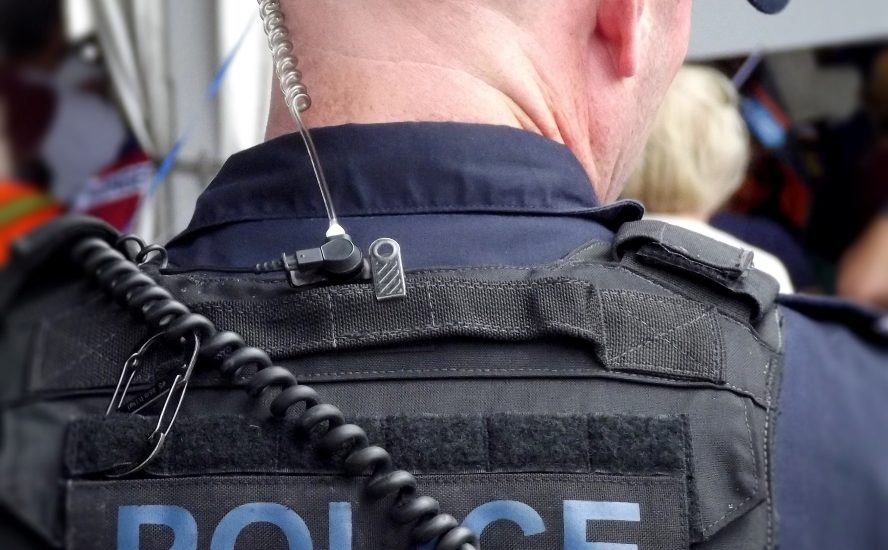
The police department or prison system can be held legally responsible for violating your civil rights in many settings, including when you are receiving medical treatment in jail or the emergency room. The Riverside County civil rights attorneys at Skapik Law Group can help fight for you, regardless of where your civil rights were violated.
When it comes to law enforcement use of body cameras, there is a double-edged sword for those who are being recorded. On one hand, body camera recordings can provide valuable evidence in civil rights cases when the police have engaged in misconduct. On the other hand, body camera footage may compromise an individual’s rights and expectations of privacy. The California legislature has recently emphasized the latter in a recent law that may serve to constrain the use of body cameras when an individual is receiving medical treatment.
Hold law enforcement and the prison system accountable for their abuse of power by hiring a Riverside County civil rights lawyer at Skapik Law Group. Speak to us during a free initial consultation by calling us at (909) 398-4404. We can work within the law to help you build the most effective civil rights case.
What Changes Are Made to Body Camera Recordings By SB 691?
SB 691 takes effect in California on July 1, 2026. Specifically, the new law requires the following:
- Police departments must update their policies about when officers can use body cameras in medical, psychiatric, jail, and emergency restraint situations.
- Recording can be limited when individuals are receiving medical treatment, especially when they are experiencing distress.
- Sensitive portions of body camera footage relating to medical treatment may be redacted before it is released to the public.
- Police departments must maintain the original and unredacted footage for evidentiary purposes.
How SB 691 Can Complicate Your Civil Rights Lawsuit
Although the new law can enhance and protect patient privacy, it may also have negative effects when those who are in custody are the victims of misconduct in prison or the emergency room. When one has been arrested, or they are already inmates in the prison system, they may not be left alone when they are receiving treatment, whether it is in prison or a hospital. Typically civil rights claims in connection with medical care are for improper or inadequate treatment, but plaintiffs have also filed cases for excessive force used in these settings.
The civil rights lawsuit may include allegations of improper restraint in an emergency room setting. Shackling a detainee who is undergoing a serious medical crisis can undercut the care and lead to an adverse medical outcome. The presence of law enforcement in the treatment room may keep a doctor from being able to do their job. The situation can be made even worse when police or prison officials use force when the inmate or detainee is in the middle of a medical emergency.
The fact that a police department may restrict recordings in an emergency room or prison hospital can make it more challenging to prove a civil rights lawsuit. The easiest way to prove what a police officer did is often through their body camera because the raw and unedited footage of what happened is clearly apparent. Usually, body camera recordings can show the use of force and the restraints imposed on a detainee, but you may not have the benefit of this evidence under the new law.
How Our Riverside County Civil Rights Attorneys Can Help You Build a Case
What this means for your case is that your police misconduct lawyer may need to fight harder in the discovery process in the face of a defendant who is relying on this new law to restrict what evidence they provide you in discovery. The police department may attempt to overly redact body camera footage from a jail or ER setting, claiming that they are relying on the law. Your case may involve a difficult battle during the discovery phase to have a judge force the police department to turn over clear and less redacted footage. In the event that SB 691 makes it more difficult to obtain body camera footage altogether, your case then may become more about medical records and testimony than it is about the recordings.
Nevertheless, it is still possible to prove a civil rights case, even in the absence of helpful body camera footage. What you should do after you or a loved one has been injured by a police officer or in prison is to immediately contact a Riverside County civil rights attorney. They can subpoena the body camera evidence and work to obtain other testimony and evidence that could fill in the part of the recording that was redacted or does not exist in the first place.
Contact a Riverside Civil Rights Law Firm
The Riverside County civil rights lawyers at Skapik Law Group represent victims of police brutality and civil rights violations. Schedule a free initial consultation to discuss your case by visiting our website or by calling us today at (909) 398-4404.

© 2026 SkapikLaw Group. All rights reserved.