
San Bernardino Juvenile Detention Facility Lawsuits Highlight Serious Civil Rights Concerns
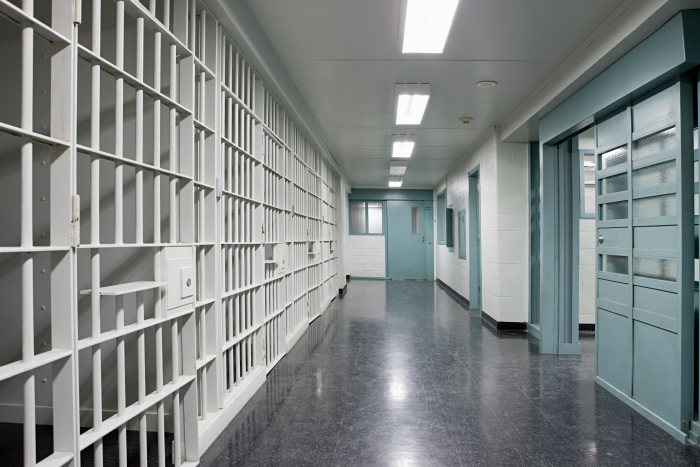
Recent lawsuits involving San Bernardino County juvenile detention facilities have brought renewed attention to the constitutional and civil rights protections owed to children placed in government custody. Former detainees have alleged sexual abuse, physical mistreatment, neglect, and systemic failures by county officials responsible for protecting vulnerable youth. These allegations raise significant questions regarding governmental accountability and the legal rights of minors detained within California’s juvenile justice system.
The Allegations Against San Bernardino Juvenile Detention Facilities
According to recently filed lawsuits, former juvenile detainees have accused San Bernardino County facilities of allowing sexual abuse and misconduct by staff members over multiple decades. Some allegations involve children as young as ten years old who were entrusted to county custody and claim they were abused by individuals responsible for their care and supervision. Plaintiffs further allege that complaints were ignored, warning signs were overlooked, and institutional failures allowed abuse to continue unchecked.
The litigation focuses on several county-operated juvenile detention centers, including facilities overseen by the San Bernardino County Probation Department. These cases mirror similar lawsuits emerging throughout California and across the country, where survivors have alleged patterns of misconduct, abuse, and neglect within youth detention systems.
Juvenile Detainees Do Not Lose Their Civil Rights
A common misconception is that incarceration eliminates constitutional protections. In reality, juveniles held in detention facilities remain protected by both the United States Constitution and California law.
Government agencies that assume custody of minors have an affirmative duty to protect them from foreseeable harm. When officials fail to provide reasonable safety measures, ignore reports of abuse, or permit dangerous conditions to persist, they may violate a child’s constitutional rights.
Potential civil rights violations in juvenile detention settings may include:
- Failure to protect detainees from abuse or assault
- Deliberate indifference to known risks of harm
- Excessive force by staff members
- Denial of medical or mental health care
- Inhumane confinement conditions
- Retaliation against detainees who report misconduct
- Violations of bodily integrity and personal security
Federal courts have repeatedly recognized that children in government custody possess constitutional protections against abuse and deliberate indifference by government officials. When those rights are violated, victims may pursue civil rights claims against responsible individuals and governmental entities.
When Government Institutions Fail, Civil Rights Litigation Becomes Essential
Civil rights litigation serves an important function beyond obtaining compensation for victims. These lawsuits expose systemic failures, uncover internal misconduct, and force public agencies to implement meaningful reforms.
Many juvenile detention abuse cases involve allegations that the misconduct was not isolated to a single employee. Instead, plaintiffs often contend that supervisors, administrators, and governmental agencies failed to investigate complaints, ignored warning signs, inadequately trained staff, or fostered environments where abuse could occur.
When a pattern of misconduct develops inside a government institution, litigation can reveal whether policymakers, administrators, and supervisors failed to fulfill their legal obligations to protect those in their custody.
The Broader Pattern of Detention Facility Accountability
The San Bernardino litigation is part of a growing wave of lawsuits involving juvenile detention centers throughout California. Recent claims filed in multiple counties have alleged decades of abuse occurring within facilities that were intended to rehabilitate and protect youth. Courts and policymakers are increasingly scrutinizing detention facilities and the governmental agencies responsible for their operation.
These cases highlight a fundamental principle of civil rights law: government agencies cannot avoid accountability when individuals suffer harm while under their supervision and control.
How Skapik Law Group Pursues Civil Rights Claims Against Government Agencies
At Skapik Law Group, our attorneys have built a reputation throughout Southern California for holding government entities accountable when constitutional rights are violated. Our practice includes civil rights litigation involving police misconduct, jail misconduct, wrongful arrest, government negligence, and other forms of institutional abuse.
When government officials abuse their authority or fail to protect individuals in their custody, victims may have legal remedies under federal civil rights laws and California statutes. Pursuing these claims requires experienced attorneys who understand the complexities of governmental liability, constitutional law, immunity defenses, and institutional misconduct investigations.
The allegations emerging from San Bernardino’s juvenile detention facilities serve as a powerful reminder that civil rights protections do not end at the doors of a detention center. Children placed in government custody deserve safety, dignity, and protection. When those rights are violated, the responsible institutions should be held accountable.
Contact the Civil Rights Lawyers at Skapik Law Group
If you or a loved one suffered abuse, neglect, excessive force, or other civil rights violations while in a juvenile detention facility, jail, or other government institution, the attorneys at Skapik Law Group can evaluate your potential claims and help you understand your legal options.
Government agencies must answer when they fail to protect the people entrusted to their care.

© 2026 SkapikLaw Group. All rights reserved.