
Suicide in Custody: How Supervision Failures and Cell Conditions Become Civil Rights Claims
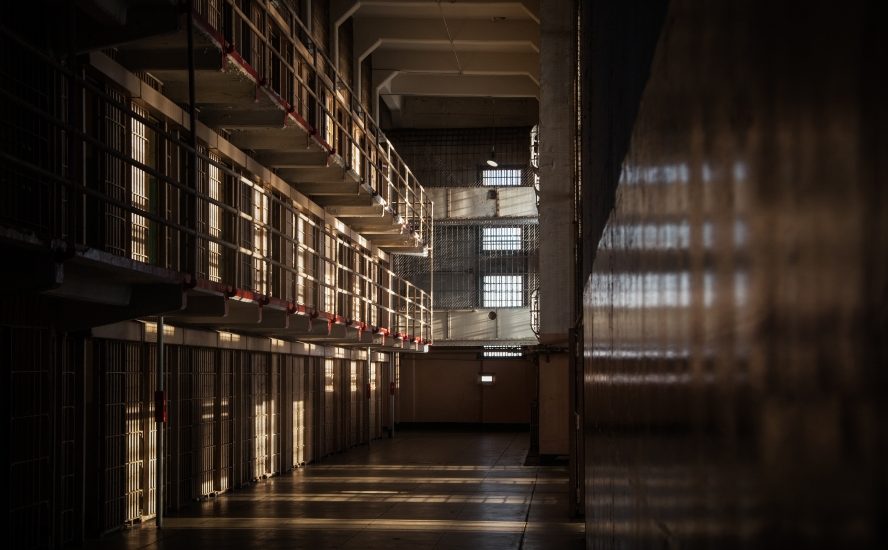
Prisoners have legal rights, and they can be violated in the case of a suicide that occurs in custody. If that has happened to your loved one, the San Bernardino civil rights attorneys at the Skapik Law Group can help your family file a lawsuit.
Regardless of the fact that your family member was incarcerated, and the crime that they were convicted of or charged with at the time, prison officials cannot turn a blind eye to Serious suicide risks. This is prohibited by the United States Constitution. Those who have lost loved ones to suicide in custody may be able to file a civil rights claim.
Take the first step towards holding the prison system responsible for what happened to your loved one by scheduling a free initial consultation with a San Bernardino jail death attorney at the Skapik Law Group at (909) 398-4404. We will help your family take action when your loved one’s constitutional rights were violated.
Prisoners Have Constitutional Protections
Every year, roughly 700 inmates commit suicide in prisons and detention facilities. Even if your loved one took their own life behind bars, the prison may still be to blame. Whether it is a lack of supervision, or poor jail conditions, the prison system may have contributed to the death of your family member.
Inmates have certain protections under the United States Constitution. If these protections have been violated, the family can file a lawsuit under a number of grounds.
The Eighth Amendment prohibits cruel and unusual punishment. This includes holding inmates in intolerable jail conditions. Courts have interpreted the Eighth Amendment to bar the following:
- Denying inmates the basic necessities of life, including necessary medical care
- Not protecting inmates from violence
- Holding prisoners in unsafe living conditions.
Your family may have questions about what the prison knew about your loved ones mental health condition and what they may have done to prevent their suicide. When it comes to a suicide, deliberate indifference is the standard that a court will use to determine whether the prison system was at fault. Under the standard, it is not sufficient to show that the prison system was simply negligent. Instead, you must have proof of the following:
- Officials knew about the risk of serious harm
- They failed to take reasonable steps to address those risks
There is also a potential claim for the denial of basic and necessary medical care. Ignoring serious injuries and health conditions can amount to cruel and unusual punishment. If the prison system was aware that your family member was in serious distress, they had a legal obligation to provide intervention and the necessary help.
A prison suicide can also become a civil rights issue under the Fourteenth Amendment. These protections apply to those who are held in pre-trial detention. The government has a constitutional duty to protect those who are being held before trial. The same protections that apply to those incarcerated after a conviction under the Eighth Amendment apply to those who are being held in custody, who have not yet been convicted.
Prison Officials May Have Violated Constitutional Rights with Deliberate Indifference
When it comes to your case, a court would analyze what officials knew at the time and the actions that they took or did not take with regard to your family member. One of the first issues that a court would consider is what prison officials may have heard from or knew about your family member when they were being held in custody. For example, if your loved one had a history of mental health issues, or they expressed a desire to harm themselves, prison officials would have an obligation to both examine the circumstances in which your family member was held and also take certain suicide prevention steps. These steps may have included:
- Keeping the inmate under continuous watch
- Making sure that there were no means in the jail cell for your loved one to commit suicide, such as leaving in certain ligature hazards like bed sheets
- Obtaining extra mental health care to stabilize your loved one
- Placing your family member in a special safe cell
Remember that you are often up against a prison system that may do everything in its power to hide what truly happened. You need a San Bernardino jail death attorney who can get to the bottom of the case and learn what prison officials really knew at the time and the actions that they failed to take. The fight for justice will not be easy, but it may be possible to hold the prison system accountable for its failures.
Contact a San Bernardino Jail Death Law Firm
The Skapik Law Group is committed to the fight for justice in civil rights cases. When you hire us to represent you in a civil rights case, you are getting passionate advocates who will work tirelessly to get answers on your behalf. Schedule a free initial consultation with a San Bernardino jail death lawyer by visiting our website or by calling us today at (909) 398-4404.

© 2026 SkapikLaw Group. All rights reserved.